

If you’ve ever booked a carpet clean or tried to figure out the right method for your home, you’ve probably landed on one big question: steam or dry?
Both are used professionally. Both have strengths. And both can be the wrong choice depending on your carpet type, the stain situation, and the time of year.
This guide breaks down exactly how each carpet cleaning method works, when one outperforms the other, and what professional carpet cleaners actually consider before they choose.
How Steam Cleaning Works
“Steam cleaning” is technically a bit of a misnomer. The method is more accurately called hot water extraction, but steam cleaning is the name that stuck.
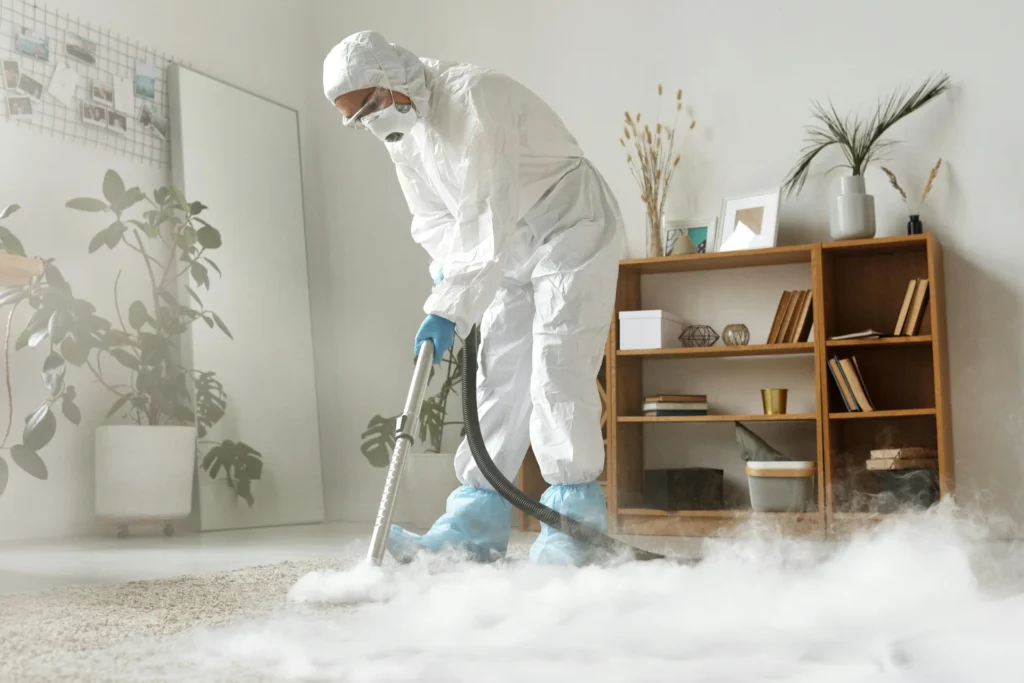
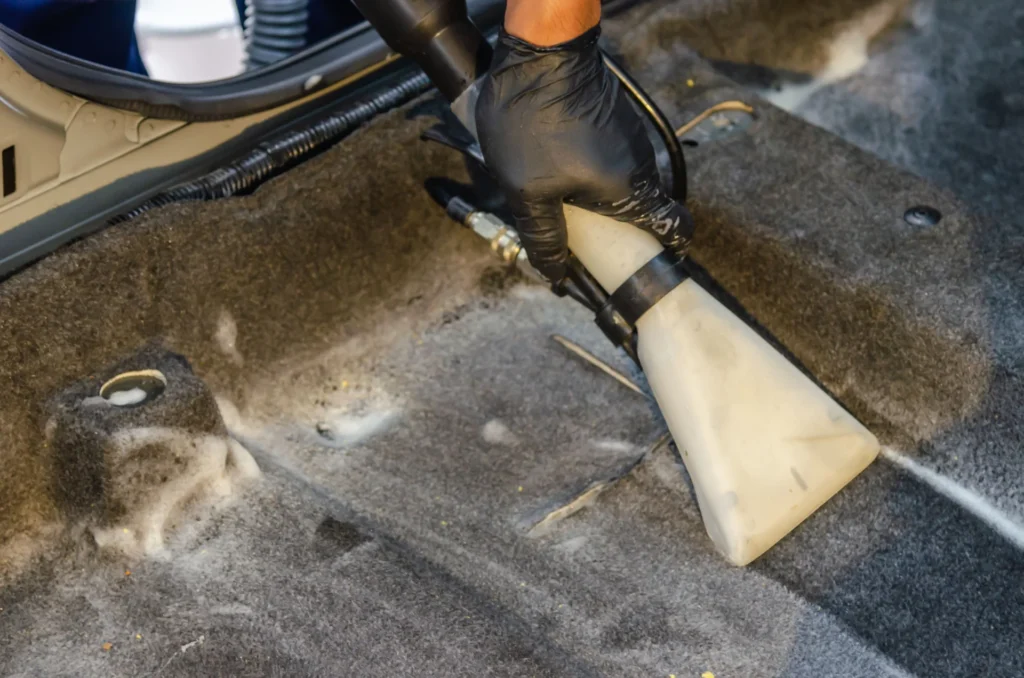
Here’s what actually happens: a machine injects hot water mixed with a cleaning solution deep into the carpet fibres under high pressure. The water breaks down dirt, grease, and debris that’s embedded in the pile. A powerful suction system then extracts everything back out, pulling dissolved grime and moisture with it.
The result is a deep clean that reaches further into the carpet than any surface method. The heat also kills dust mites, bacteria, and allergens, which makes it particularly popular for households with kids, pets, or allergy sufferers.
The catch? Carpets cleaned by steam need proper drying time. In ideal conditions (warm weather, good ventilation), that’s typically 6–12 hours. In cooler, more humid climates (hello, Geelong winters), it can push to 24 hours or longer. A carpet that stays damp too long can develop mould or a musty smell.
How Dry Carpet Cleaning Works
Dry carpet cleaning doesn’t mean completely waterless, but it uses significantly less moisture than hot water extraction.
The most common dry method involves spreading a special absorbent compound across the carpet surface, working it into the fibres with a rotating brush machine, and then vacuuming the whole lot out. The compound binds to dirt and debris and comes out with it.
Some dry methods use a small amount of a low-moisture cleaning solution applied under low pressure, followed by extraction. Either way, the distinguishing feature is fast drying time: usually under an hour.
This is the main reason dry cleaning exists as a professional service. It’s ideal for commercial spaces, rental properties that need to be ready quickly, and homes where you can’t have rooms out of action for half a day.
The trade-off is that dry cleaning doesn’t penetrate as deeply as steam. For heavily soiled carpets or ground-in staining, it’s often not enough on its own.
Steam Cleaning vs Dry Cleaning: Head-to-Head
| Factor | Steam Cleaning | Dry Cleaning |
| Cleaning depth | Deep – reaches base of fibres | Surface to mid-depth |
| Best for heavily soiled carpet | Yes | Not ideal |
| Drying time | 6–24+ hours | Under 1 hour |
| Kills dust mites and allergens | Yes (heat) | Partial |
| Safe for all carpet types | Not always | Generally yes |
| Best for quick turnaround | No | Yes |
| Removes odours | Better | Moderate |
| Risk of over-wetting | Possible if not done correctly | Very low |
Which Carpet Type Suits Which Method?
This is something most people don’t know, and it matters. Not all carpets respond the same way to hot water extraction.
| Carpet Type | Recommended Method | Notes |
| Synthetic (nylon, polyester) | Steam cleaning | Handles heat and moisture well |
| Wool or wool blend | Dry cleaning preferred | Wool can shrink or distort with hot water; needs a specialist approach if steam is used |
| Berber / loop pile | Steam cleaning (low pressure) | High pressure can fray loops; professional settings matter here |
| Commercial carpet tiles | Dry cleaning | Fast drying for high-traffic areas; tiles can lift with excess moisture |
| Delicate or antique rugs | Dry cleaning or specialist only | Neither standard method is safe; always get a professional assessment |
| Cut pile / plush carpet | Steam cleaning | Deep extraction shows the best results on dense pile |
If you’re not sure what type of carpet you have, the safest call is to ask a professional before booking. A reputable carpet cleaning service will always inspect before choosing a method.
Which Method Wins by Season?
In Geelong, the Bellarine, and the Surf Coast, the time of year actually affects which carpet cleaning method makes more sense.
- Summer and Spring: Steam cleaning is at its best. Warm temperatures and good airflow mean carpets dry faster, which reduces any risk of moisture sitting in the pile. If you’re planning a deep clean of the whole house, summer is the time to schedule steam cleaning for carpets.
- Autumn and Winter: Drying time becomes the main concern. Geelong winters are cool and often humid, particularly near the coast. If rooms won’t be well-ventilated or heated after cleaning, dry cleaning becomes the smarter choice. It removes surface-level grime and refreshes the carpet without the risk of it staying damp overnight.
What Professional Carpet Cleaners Actually Look For
Here’s the industry perspective that doesn’t often make it into consumer guides.
Pre-inspection matters more than the method
Before any professional carpet cleaner commits to a method, they assess the carpet type, the age of any stains, the condition of the underlay, and the level of soiling. The method choice follows the inspection, not the other way around.
Pet urine is a category of its own
Neither standard steam cleaning nor dry cleaning fully addresses pet urine that has penetrated the underlay. The odour comes back because the source is deeper than either method reaches.
Urine treatments involve enzyme-based solutions applied to the affected area before extraction, and even then, severe underlay saturation may need to be replaced. Any cleaner who guarantees urine odour removal without inspecting first is overselling.
Over-wetting is a real risk with DIY steam cleaning
Hire machines available at hardware stores inject water at the right pressure but often don’t have the suction power to extract it properly. This leaves carpets wetter than they should be. If a professionally done steam clean leaves your carpet damp for more than 24 hours, that’s worth raising with the cleaner.
Dry cleaning compounds aren’t all the same
The quality of the absorbent compound and the machine used to work it into the fibres vary significantly between operators. A cheap dry clean with a basic machine may leave compound residue in the carpet, which then attracts more dirt. It’s worth asking what products and equipment a company uses.
When to Call a Professional vs DIY
Some carpet cleaning you can handle yourself. Some you really can’t.
DIY is fine for:
- Regular vacuuming and maintenance
- Immediate spot treatment of fresh spills (more on this in our carpet stain removal guide)
- Light surface refreshing with a consumer machine for low-traffic areas
Call a professional for:
- Any stain that has set for more than 24–48 hours
- Whole-room or whole-house cleaning
- Pet odours or visible pet damage
- End of lease cleaning where bond return is at stake
- Wool, delicate, or high-value carpets
- Any carpet where you’re not sure of the fibre type
A professional carpet cleaning service has the equipment, training, and insurance to handle these correctly. The cost of a professional clean is almost always less than the cost of replacing a carpet that was damaged by the wrong method or an oversaturated DIY attempt.
So, Which Is Better?
The honest answer: neither is universally better. The best carpet cleaning method is the one that matches your carpet type, the condition it’s in, and the time you have.
For most homes in Geelong doing a seasonal deep clean in spring or summer: steam cleaning wins on results.
For rental properties, commercial spaces, winter cleans, or wool carpets: dry cleaning is often the safer, more practical call.
At Vacmate, we use both methods depending on what we find during inspection. If you’re not sure which your carpet needs, give us a call on (03) 7050 2742 or email info@vacmate.com.au and we’ll give you a straight answer before you book.

Ajay moved to Geelong for his Master's in 3D Printing at Deakin University, fell for the region, and inspired by his parents' entrepreneurial spirit, made it home and launched Vacmate Cleaning. Over four years he's built a reliable, customer-focused service and a supportive team, leading with a passion for excellence and real connections with clients and staff. Outside work, he enjoys reading, driving, travelling, and meeting new people.